It’s not about salt. It’s about awareness.
I first noticed this at parties… eating at other people’s houses.
Food would taste flat. One-dimensional.
Nothing wrong with it… but nothing happening either.
All the nuance was missing.
You see it in culinary school too—different backgrounds, different habits.
And in kitchens with young cooks.
But it all comes back to one thing:
👉 They’re not tasting the dish through its life.
Beginning.
Middle.
End.
What Happens When You Season Too Late
When seasoning comes at the end…
It just sits on top.
It hasn’t had time to move, to build, to bring out what makes the dish what it’s supposed to be.
That’s the difference.
👉 Late seasoning = surface flavor
👉 Early seasoning = built flavor
And most people are trying to fix at the end what should’ve been handled from the start—something I talk about in Why Most Cooking Mistakes Aren’t Technical.
The Real Mistake
The biggest issue?
People don’t taste.
Or they rely on the wrong tools.
Table salt in your hand is hard to control.
Kosher salt gives you feel, control, awareness.
And most people wait.
They cook the whole dish… then try to fix it in the last minute.
But if you’re tasting throughout the process?
👉 You should already be where you need to be.
What’s Actually Happening (Real Cooking)
Salt isn’t just flavor—it changes the way food cooks.
Season meat early:
- it penetrates
- helps create better crust
- builds flavor inside, not just outside
But be careful:
👉 Some seasonings burn
👉 Some flavors change under heat
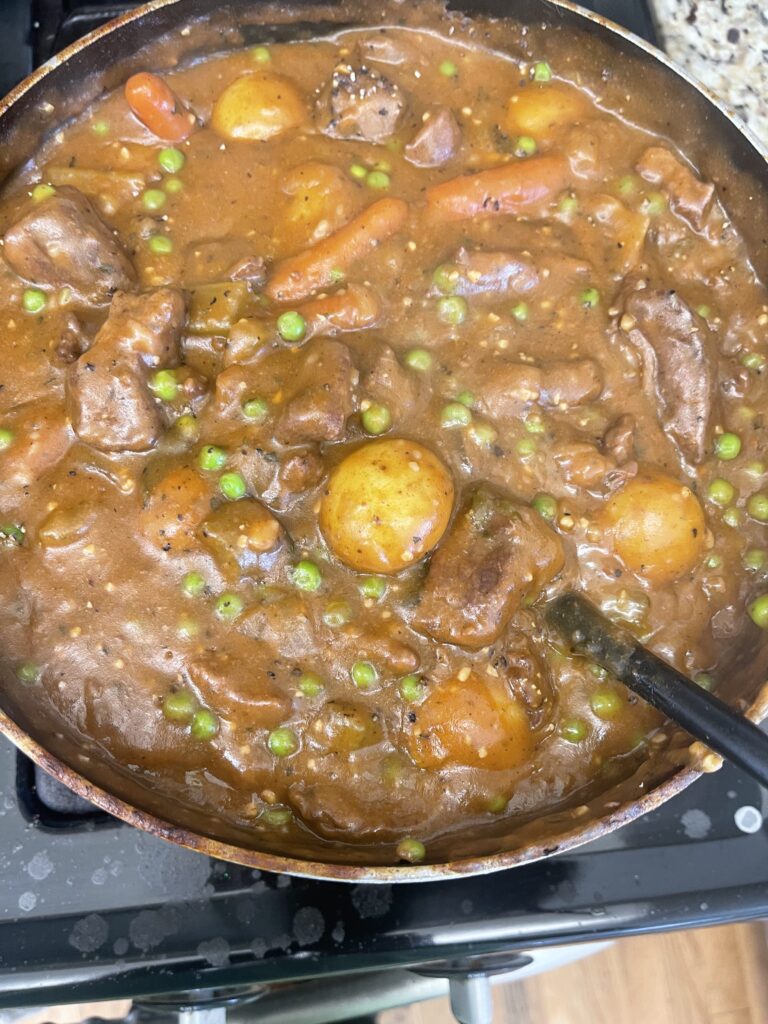
With braises and stews:
- season the meat
- sear it
- but be careful with salt early
Because as the dish reduces:
👉 flavor intensifies
👉 salt concentrates
Push it too far and you’re stuck with a salty dish.
That’s why sometimes:
👉 final seasoning comes at the end—after rest, after reduction
How I Season (My System)
It’s not random.
It’s layered.
- Red meat → heavier seasoning (needs penetration)
- Fish → lighter, more delicate (protect natural flavor)
- Pork & chicken → hold seasoning well, balanced approach
And I’m always tasting.
Not once.
👉 Throughout the entire life of the dish
That’s the difference between reacting… and controlling.
Something that ties directly into How Professional Chefs Taste Differently.
When Finishing Seasoning Matters
There are moments where finishing salt is the move.
- steaks
- chops
- dark meat chicken
A little at the end can:
👉 wake everything up
👉 bring out the nuances
Same with acid:
- chimichurri
- chutneys
- light vinegar hits
That’s not fixing the dish.
👉 That’s elevating it
How to Fix This (Simple Shift)
If you change one thing:
👉 Taste your food at every stage
Not just at the end.
Beginning.
Middle.
End.
Also:
- season early to build
- adjust as you go
- don’t rely on the final step to save it
And be careful with:
👉 seasoning mixes and packets
They carry more salt than you think—and can ruin a dish fast.
Final Thought
This isn’t just about seasoning.
It’s about awareness.
Smell.
Taste.
Touch.
Timing.
Being present from start to finish.
That’s how cooking used to be.
And honestly…
That’s still how it works.
👉 Because cooking isn’t about steps.
It’s about decisions—something you have to trust in real time, just like I talk about in The Difference Between Following Recipes and Actually Cooking.