Most people ruin food because they keep pushing past the point where the dish was already done. Good cooking is not just knowing how to cook—it’s knowing when to stop.
Intro
I remember a friend of mine at a Country Club in Maryland getting tasked with making a vegetarian plate for a guest.
Instead of keeping it focused, he just kept adding and adding.
More vegetables.
More garnish.
More components.
More movement.
By the time the plate was finished, it was a hot mess.
No continuity.
No symmetry.
No vision.
Just random things all over the plate trying to impress somebody.
Honestly, I’ve done the same thing before too.
A lot of cooks keep pushing because they want to:
- show skill
- prove something
- impress people
- chase perfection
But one thing I learned watching my mentor cook was this:
Everything on the plate had a purpose.
Even the garnish was edible.
That’s when it started clicking for me:
most people don’t ruin food at the beginning…
they ruin it because they don’t know when to stop.
What Most People Get Wrong
A lot of people think good cooking means:
- adding more
- cooking longer
- touching the food constantly
- chasing perfection
- forcing complexity
But usually the opposite is true.
The more insecure people become while cooking, the more they:
- stir
- flip
- poke
- move
- add
- overwork the dish
Experience eventually teaches you:
👉 STOP AND WALK AWAY.
That restraint is part of good cooking too.
What’s Actually Happening
When people push food past the proper stopping point, everything starts going sideways:
- texture
- moisture
- structure
- tenderness
- balance
- focus
The dish loses movement.
It loses clarity.
Overcooking exposes itself immediately in foods like:
- lamb
- seafood
- steak
- eggs
- green vegetables
Broccoli turns dull.
Asparagus loses life.
Seafood becomes rubbery.
Steaks tighten up and dry out.
The food stops feeling alive.
➡️ Why Simplicity Is Harder Than Complexity in Cooking
A lot of cooking problems happen after the food was already right.
How I Do It
When I cook, all my senses come into play.
I’m paying attention to:
- smell
- sound
- texture
- resistance
- color
- timing
- heat
But honestly, the two biggest things are:
- experience
- instinct
And those only come from repetition.
That’s why I believe confidence matters in cooking.
Not ego.
Confidence.
Because confident cooks understand that food continues cooking even after it leaves the heat.
That’s why resting matters too.
Resting allows:
- juices to redistribute
- texture to settle
- carryover cooking to finish the job properly
➡️ Why Temperature Control Is More Important Than Ingredients
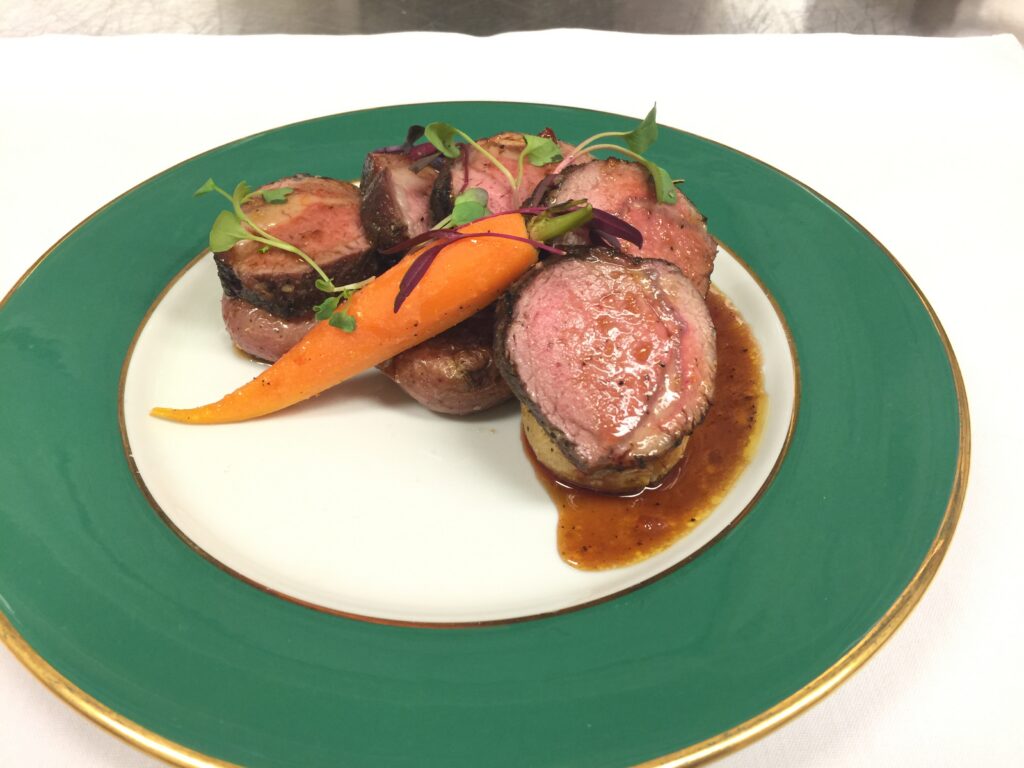
Sometimes you pull lamb at rare knowing carryover heat will bring it to a perfect medium rare.
That’s restraint.
That’s trust.
➡️ How to Taste Your Food the Right Way
How To Fix It
If you constantly overcook food, the first thing you need to do is slow down.
A lot of people cook emotionally:
- rushing
- panicking
- chasing perfection
- over-handling the food
Instead:
- pay attention to timing
- trust the process
- stop touching the food constantly
- learn carryover cooking
- understand what “done” actually looks like
Most importantly:
stop trying to force the dish past the point where it was already right.
Quick Breakdown (Straight Up)
- Most overcooking happens after food was already done
- Insecurity causes people to overwork dishes
- Good cooks know when to stop
- Resting food is part of cooking
- Carryover heat matters
- Repetition builds instinct
- Restraint is a real culinary skill
Closing
Good cooking is knowing when to keep going…
and knowing when enough is enough.
SO BE TRUE.